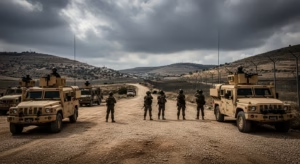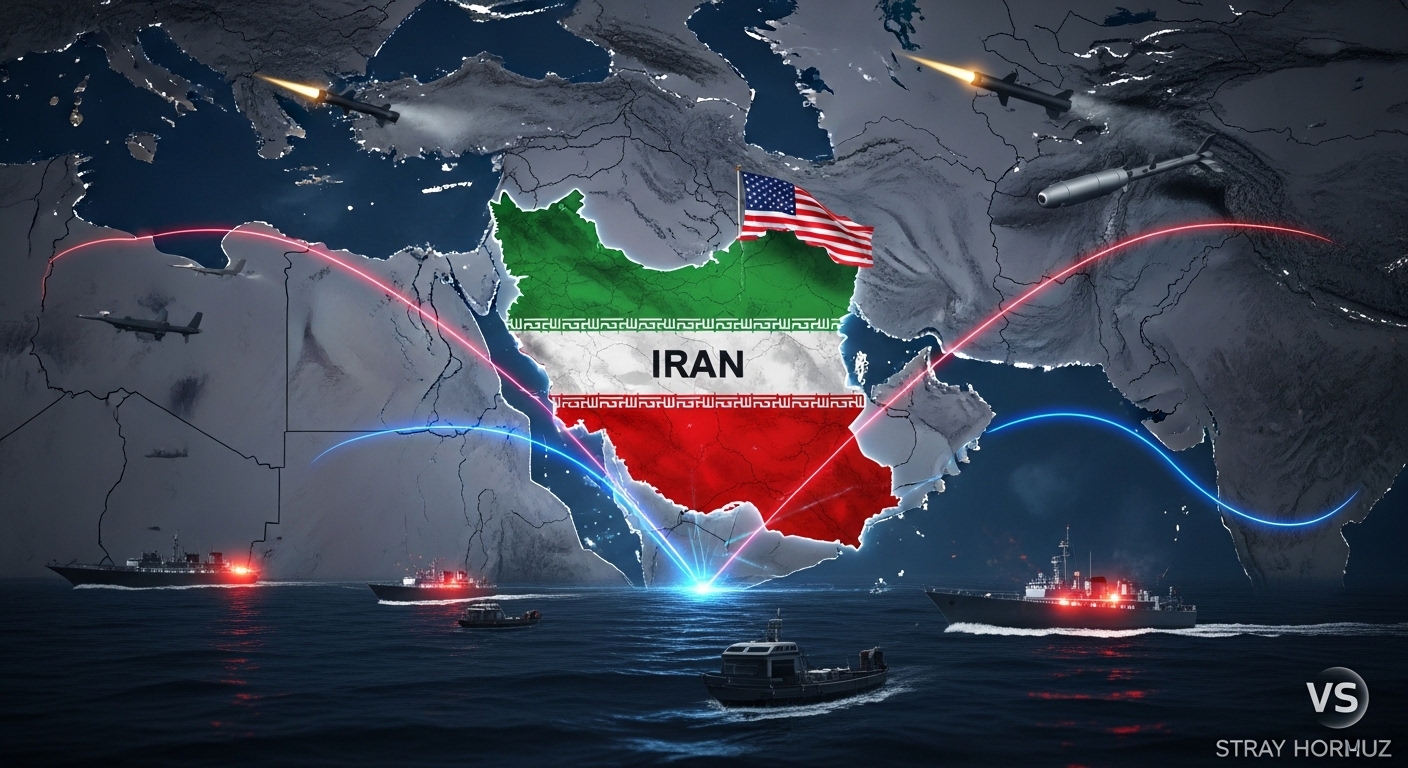
The long-standing tensions between Iran and the United States have reached one of their most dangerous points in decades. In early 2026, a series of military strikes, political decisions, and retaliatory attacks pushed the Middle East into a new phase of conflict involving Iran, the United States, and regional allies.
This blog post explains the recent developments, causes, and potential global impact of the latest Iran-US conflict.
Background: Decades of Hostility
Relations between Iran and the United States have been tense since the 1979 Iranian Revolution, which replaced a U.S.-backed monarchy with an Islamic Republic. Since then, disagreements over Iran’s nuclear program, regional influence, sanctions, and military presence in the Middle East have repeatedly brought the two countries close to confrontation.
Negotiations in 2025 attempted to reach a new nuclear agreement between Washington and Tehran. However, talks failed, and tensions escalated rapidly.
The 2026 Military Escalation
On February 28, 2026, the conflict dramatically intensified when U.S. and Israeli forces launched large-scale airstrikes across Iran. Hundreds of military targets were hit, including missile systems and air defenses. The attacks also killed senior Iranian officials, including Supreme Leader Ayatollah Ali Khamenei, which further escalated the situation.
Iran quickly responded with missile and drone strikes against Israel, U.S. bases, and allied countries in the region, widening the conflict across the Middle East.
Leadership Changes in Iran
Following the death of Ali Khamenei, Mojtaba Khamenei was announced as Iran’s new Supreme Leader. In his first statements, he vowed to continue fighting and warned that Iran would retaliate against U.S. interests and regional allies.
His leadership signals a hardline approach, raising concerns that the conflict could expand further.
Strategic Flashpoint: The Strait of Hormuz
One of the most dangerous developments is Iran’s move to disrupt shipping in the Strait of Hormuz, a vital passage for global oil exports.
- Around 20% of the world’s oil supply normally passes through this route.
- The conflict has caused shipping traffic to drop dramatically.
- Energy markets worldwide have been affected by the disruption.
If the strait remains closed, it could trigger major global economic consequences.
Human and Economic Costs
The war has already caused significant damage and casualties.
- Thousands of civilians have been killed or injured in strikes across Iran.
- Several U.S. service members have also died in the conflict.
- The U.S. has already spent over $11 billion in the first days of the war.
Beyond the battlefield, protests have erupted around the world condemning the war.
Why the Conflict Matters Globally
The Iran-US confrontation affects more than just the Middle East. It has major implications for:
- Global oil prices
- International security
- Regional alliances
- Nuclear proliferation concerns
Experts warn that prolonged fighting could destabilize the region and potentially draw more countries into the conflict.
What Happens Next?
While U.S. officials claim that the military campaign has significantly reduced Iran’s missile and drone capabilities, the end of the conflict remains uncertain.
Both sides have signaled determination to continue the fight, making diplomacy increasingly difficult.
The coming weeks will determine whether the crisis moves toward de-escalation, prolonged war, or wider regional conflict.