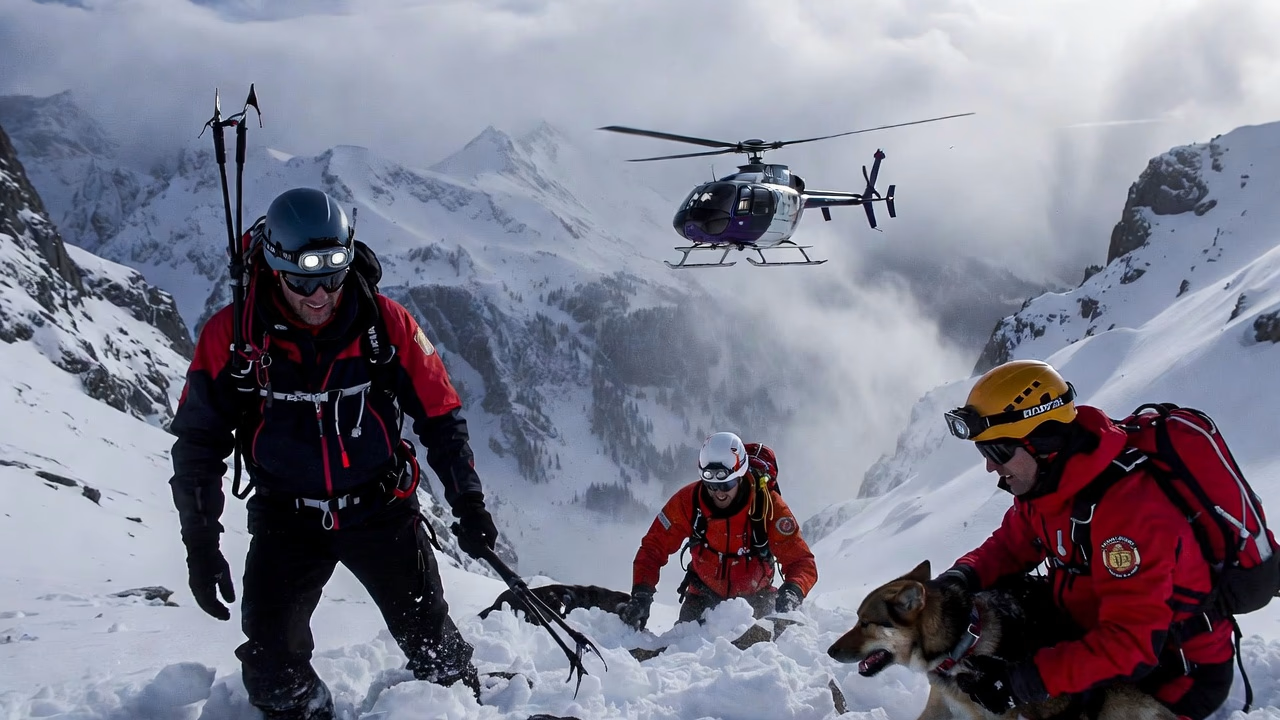
The majestic, yet unforgiving, peaks of the Alps have become the stage for a tragic narrative this winter season. As rescue teams grapple with an unprecedented surge in fatalities, the stark reality is chilling: over 100 skiers have lost their lives to avalanches. This grim tally has frontline responders, including those operating in the French Alps, pointing fingers at a dangerous cocktail of extreme weather conditions and a troubling lack of preparedness among winter sports enthusiasts.
Key Takeaways:
- Record avalanche deaths exceeding 100 in the Alps this season.
- Rescue teams attribute the surge to extreme weather patterns and inadequate skier preparation.
- Volatile snow conditions create highly unstable slopes, increasing risk exponentially.
- Many skiers venture off-piste without essential safety gear or sufficient knowledge.
- Urgent call for heightened awareness, training, and responsible mountain behavior.
The Perfect Storm: Volatile Weather Meets Human Underestimation
Eyewitness accounts from veteran mountain guides and reports, like those from the BBC embedded with rescue crews, paint a grim picture. Heavy, inconsistent snowfall followed by strong winds and fluctuating temperatures have created highly unstable snowpacks. These conditions transform seemingly pristine slopes into hidden deathtraps, where even a slight disturbance can trigger a catastrophic avalanche.
But weather is only half the story. Rescue personnel are increasingly vocal about what they perceive as a dangerous complacency among many off-piste adventurers. Many skiers, drawn by the allure of fresh powder, venture beyond marked trails without crucial equipment such as avalanche transceivers, probes, and shovels. More critically, a significant number lack the fundamental training required to understand avalanche dynamics, assess risk, or execute self-rescue.
The Call for Responsibility: Beyond the Powder Rush
The consequence of this oversight is devastating. Rescue operations in high-altitude, unstable terrain are incredibly dangerous and resource-intensive. For every life saved, countless hours of perilous work are undertaken by dedicated professionals. It’s a high-stakes environment where misjudgment can have fatal repercussions, a lesson that sadly resonates with the severe consequences seen in other domains, such as the escalating Iran–United States conflict, where careful assessment of risks is paramount to survival.
The message from the mountain rescue community is clear: a passion for the backcountry must be matched with unwavering respect for its power. Adopting a proactive approach to safety, much like recognizing the power of small, daily habits in achieving long-term goals, is essential for survival. This includes:
- Comprehensive Training: Enroll in accredited avalanche safety courses.
- Essential Gear: Always carry and know how to use an avalanche transceiver, probe, and shovel.
- Conditions Check: Consult local avalanche forecasts rigorously before every outing.
- Hire a Guide: For those unfamiliar with the terrain or conditions, a certified mountain guide is invaluable.
- Group Awareness: Never ski alone off-piste and ensure all group members are equally prepared.
As the winter season continues, the hope is that this tragic toll will serve as a stark reminder. The allure of untouched snow should never overshadow the imperative of safety and preparedness. For the sake of both adventurers and the brave men and women who risk their lives to save them, the mountains demand respect, knowledge, and humility.