The recent reports of Israel seizing more territory in southern Lebanon and threatening to maintain its hold have ignited a firestorm of questions about its long-term objectives in the region. This aggressive posture, occurring amidst heightened tensions, forces a critical examination of what Tel Aviv aims to achieve and the potential ramifications for a fragile Lebanon and the broader Middle East.
The Immediate Context and Israeli Assertions
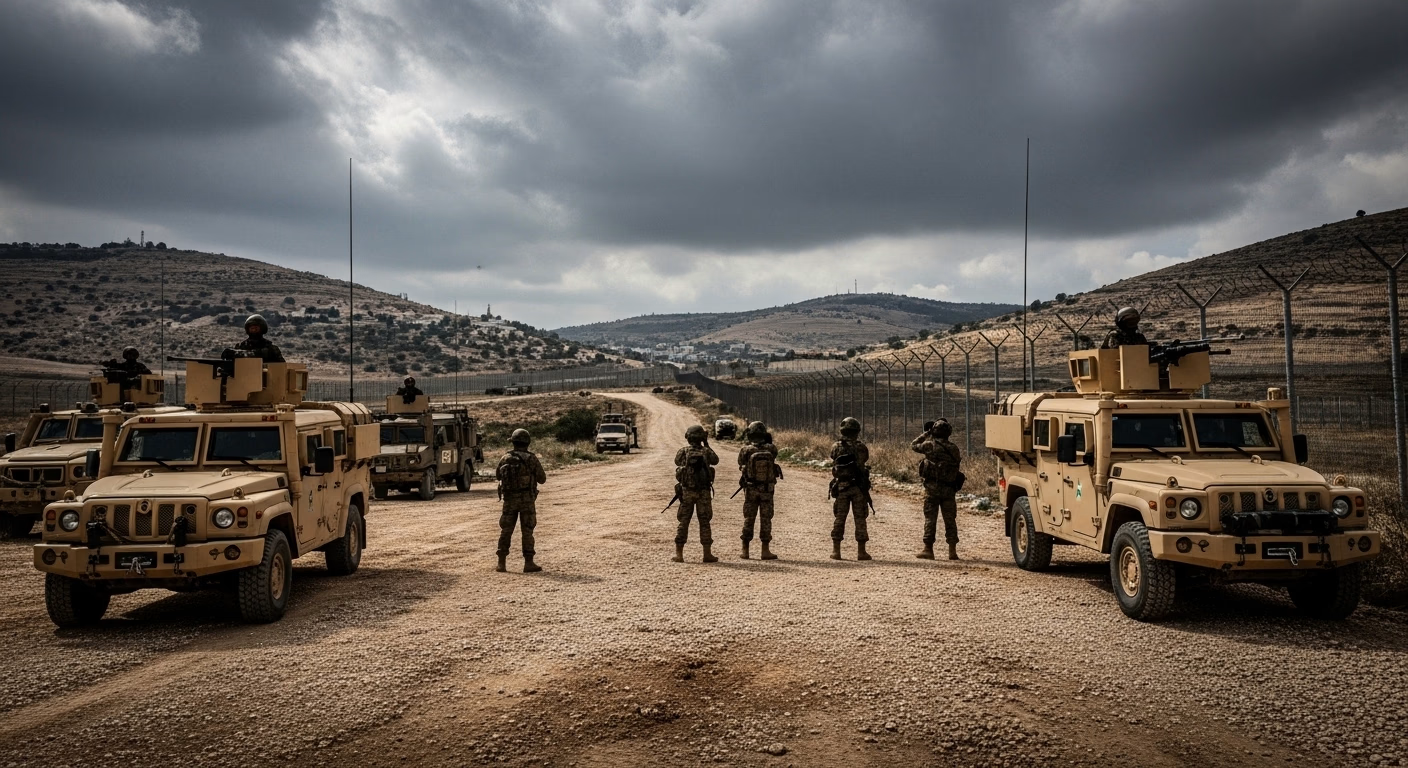
Israeli forces have reportedly pushed beyond the internationally recognized Blue Line, establishing a presence in areas that Lebanon considers its sovereign territory. Coupled with explicit threats to retain these gains, these actions suggest a strategic shift or an escalation in the ongoing, low-intensity conflict. From Israel’s perspective, such moves are often framed as necessary security measures, aimed at creating buffer zones, deterring cross-border attacks, or degrading the capabilities of groups like Hezbollah.
However, the question remains: Is this a temporary tactical maneuver, or does it signal a more permanent territorial ambition? The history of Israeli-Lebanese relations is fraught with contested borders and occupations, making any talk of seized land particularly sensitive and prone to international condemnation.
Deciphering the “Endgame”
Understanding Israel’s ultimate objective in Lebanon is complex, likely multifaceted, and potentially evolving. Several theories emerge:
-
Creating a Security Buffer:
Historically, Israel has sought to establish security zones to protect its northern communities from attacks. Extending control into southern Lebanon could be an attempt to push Hezbollah’s operational capabilities further north.
-
Deterrence and Retaliation:
The territorial grab could be a strong message of deterrence, demonstrating Israel’s willingness to take drastic measures in response to perceived threats, and potentially as a punitive measure for past aggressions.
-
Leverage for Future Negotiations:
Seized territory can serve as a bargaining chip in any future negotiations, either for a more stable border agreement or for broader regional de-escalation.
-
Resource Control:
While less emphasized, control over certain border areas might also be connected to water resources or strategic vantage points.
While each territorial seizure might seem like a tactical move, understanding Israel’s long-term strategy requires looking at these actions not in isolation, but as part of a continuous, incremental process. Much like how the power of small daily habits can dramatically shape larger outcomes over time, these seemingly localized military maneuvers cumulatively contribute to a larger, overarching strategic posture in the region.
Regional Implications and External Factors
The situation in southern Lebanon cannot be viewed in isolation. It is deeply intertwined with the broader regional power struggles. Hezbollah, a major player in Lebanon, is heavily backed by Iran, making the conflict a proxy battleground. This dynamic means that any significant Israeli action in Lebanon reverberates across the Middle East, drawing in other actors and potentially exacerbating existing tensions.
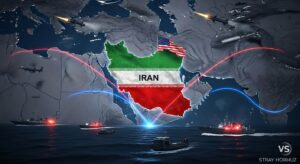
This situation is further complicated by the broader regional power struggles, including the escalating Iran–United States conflict, which significantly impacts proxy groups like Hezbollah and influences strategic calculations across the Middle East. The actions taken by Israel in Lebanon are often viewed through the prism of this larger geopolitical contest, where each move by one party is carefully watched and often countered by another.
For Lebanon, the implications are dire. Further territorial loss or prolonged occupation threatens its sovereignty, exacerbates its already profound economic and political crises, and risks drawing it into a full-scale conflict it can ill afford. The international community watches closely, balancing calls for de-escalation with the complex realities of regional security.
Ultimately, Israel’s endgame in Lebanon remains a subject of intense speculation, but its current actions undeniably signal a hardened stance, designed to reshape the security landscape of its northern border, with profound and potentially volatile consequences for all involved.